
Herbals
Showing all 25 results


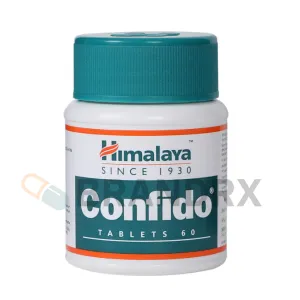


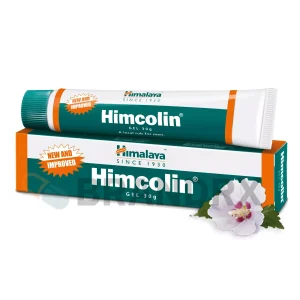
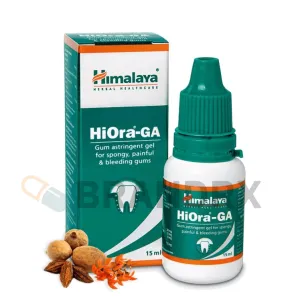


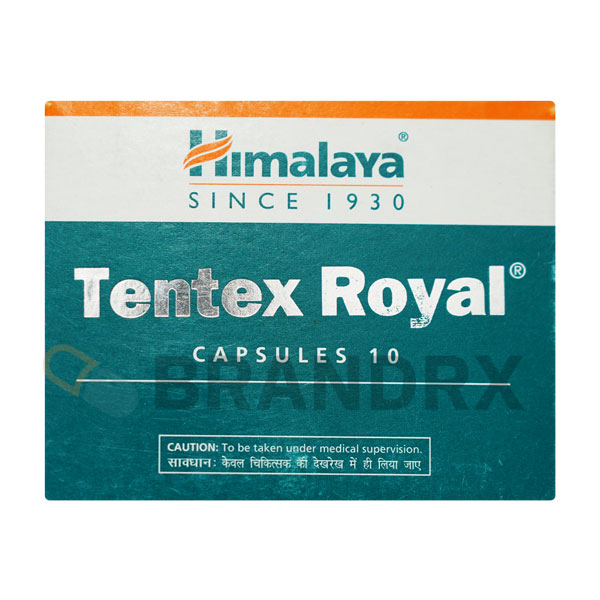

Herbal supplements are botanical products derived from plant roots, leaves, flowers or seeds and used to support general wellness. Unlike the controlled and prescription items elsewhere in our pharmacy, herbals are dietary supplements — but “natural” does not automatically mean risk-free, and quality varies widely by brand. This page explains what the category covers and how to judge what you are buying.
What a herbal supplement is
A herbal (or botanical) supplement contains one or more plant-derived ingredients, supplied as capsules, tablets, powders, teas or tinctures. They are intended to supplement the diet, not to diagnose or treat disease. Common examples in the wider market include turmeric, ashwagandha, ginkgo biloba, echinacea and ginger.
How herbals are regulated
In the United States the FDA does not approve herbal supplements for safety or effectiveness before they go on sale. Manufacturers are responsible for their own products being safe and accurately labelled, which is exactly why potency and purity differ between brands. That places the burden of judging quality on the buyer.
How to judge quality before buying
Reputable products carry third-party quality marks and clear labelling. Use the checklist below when comparing options.
| Signal | What to look for | Why it matters |
|---|---|---|
| Third-party seal | USP, NSF or ConsumerLab | Independent quality verification |
| Full label | Named botanical + amount | Confirms what you’re taking |
| Standardisation | Stated extract strength | Consistency between batches |
| Interactions | Known drug interactions | Some herbs affect medications |
Using herbals alongside other products
If you take prescription medication, some herbs (for example St John’s wort, ginkgo and garlic) can interact with it, so disclose supplement use to your provider. Customers browsing this range also visit our sexual health and weight loss categories; the full catalogue is on the Finest Gears homepage.
Safety
Herbal supplements are not pre-approved medicines and are not guaranteed safe or side-effect-free; some carry liver-toxicity or interaction risks. Consult a qualified healthcare provider before use, especially if you are pregnant, nursing, managing a health condition or taking other medication. For science-based fact sheets on individual herbs, the National Center for Complementary and Integrative Health is a reliable reference.
Frequently asked questions
What is a herbal supplement?
A botanical product made from plant parts — roots, leaves, flowers or seeds — taken to support wellness as part of the diet, not to treat disease.
Are herbal supplements regulated by the FDA?
They are regulated as dietary supplements, but the FDA does not approve them for safety or effectiveness before sale. Manufacturers are responsible for their own quality and labelling.
Does “natural” mean safe?
No. Herbs can cause side effects and interact with prescription drugs. Check interactions and speak to a healthcare provider before use.
How do I know a herbal product is good quality?
Look for a third-party seal (USP, NSF or ConsumerLab), a clear label naming the botanical and amount, and a stated extract strength.
Is delivery discreet?
Yes. Orders are packed without product references, and shipping options appear at checkout.